The Ten Essentials for Hiking: NPS Checklist
What the National Park Service says to carry on every hike, with gear to cover each item. Sourced from the NPS Ten Essentials page.
We may earn a commission when you buy through links on this page, at no extra cost to you. This does not change which products we cover. How we make money.
The Ten Essentials are ten groups of gear that help you handle a minor injury, a sudden change in weather or an unplanned night out. The National Park Service asks every visitor to carry them, and to tell someone where you are going and when you expect to be back.
The checklist
- Navigation. Map, compass and GPS. The NPS says to learn how to use them before you go, carry a physical map as a backup and pack an extra phone battery.
- Sun protection. Sunglasses, sunscreen and a hat. Long sleeves and pants also cut sun exposure.
- Extra clothing. A jacket, hat, gloves, rain shell and layers for the worst weather you could meet. The NPS suggests bright colors so search and rescue can spot you.
- Illumination. A flashlight or headlamp, plus spare batteries. The NPS recommends a headlamp because it leaves your hands free.
- First-aid supplies. Start with a pre-made kit, add your own medications and check expiration dates.
- Fire. Waterproof matches or a lighter and fire starters. Check the park’s fire rules first.
- Repair kit and tools. Duct tape, a knife or multi-tool and scissors. A trowel and toilet paper may matter too.
- Nutrition. An extra day’s food, ideally no-cook items such as trail mix, nuts and granola bars.
- Hydration. Water and a way to treat it. The NPS says to drink often and before you feel thirsty, and to find water sources on your route before you leave.
- Emergency shelter. A tent, tarp, bivy sack or emergency space blanket.
Turning the list into a pack
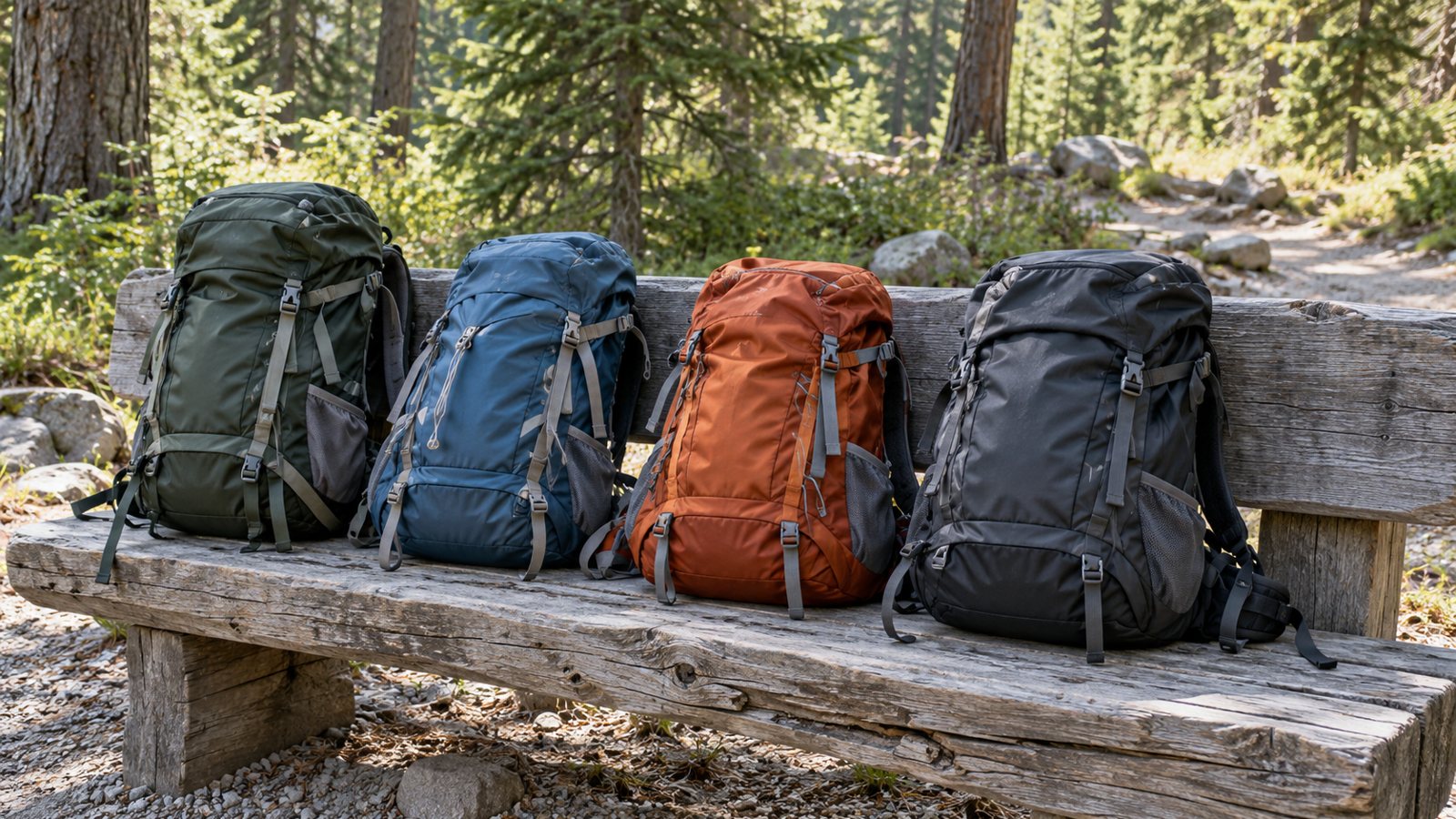
Most of the list fits in a small kit: map, headlamp, first-aid kit, lighter, knife, tape, space blanket and sunscreen weigh little. The bulky items are water, food and layers, and they decide how big a pack you need. Our daypack comparison covers 22 to 30 L packs for that load.
Before you leave
- Tell someone your route and when to expect you back.
- Read the park’s website for closures, fire rules and conditions.
- Add gear for your activity. The NPS names life jackets, bug spray and two-way satellite messengers as examples.
Frequently asked questions
Who made the Ten Essentials list?
The NPS credits the system to The Mountaineers, as described in the book Mountaineering: The Freedom of the Hills.
Do I need all ten on a short hike?
The NPS says the Ten Essentials are basic items to have with you for minor injuries, sudden weather changes or emergencies, and that you may need more depending on the activity.
Is my phone enough for navigation?
The NPS says you can use the NPS app or a downloaded map on your phone or GPS, and to bring a physical map as a backup and an extra battery for your phone.